Simplify Your Meetings with Simple Agenda Templates
In today’s fast-paced work environment, running effective meetings is more important than ever. Whether you’re organizing a weekly team sync, a project planning session, or a client presentation, having a well-structured agenda can make all the difference. This is where Simple Agenda Templates come in — they help teams stay organized, save time, and maintain focus from start to finish.
A meeting without a clear plan often leads to confusion, wasted time, and missed objectives. By using a Meeting Agenda Template, you can streamline communication, assign responsibilities, and ensure that every participant knows what to expect. Let’s explore how simple agenda templates can help improve meeting productivity and professionalism across any organization.
Why Every Team Needs a Simple Agenda Template
A Simple Agenda Templates acts as a roadmap for your meeting. It provides a clear outline of discussion points, objectives, and time allocations, ensuring that the conversation stays on track. Instead of spending valuable minutes figuring out what to talk about next, you can follow a structured plan that guides the meeting flow.
Here are some of the key benefits of using agenda templates:
- Better Time Management:
Meetings that run over schedule can disrupt everyone’s day. A simple agenda helps set clear time limits for each topic, preventing unnecessary detours and keeping participants focused. - Clear Objectives:
Every meeting should have a defined purpose. By outlining your goals in the agenda, everyone understands what needs to be achieved by the end of the session. - Improved Accountability:
With a template, it’s easy to assign responsibilities for each discussion point or action item. This ensures follow-ups and next steps are clearly documented. - Enhanced Collaboration:
When team members receive the agenda beforehand, they can prepare better. This encourages participation, collaboration, and meaningful input during the meeting. - Consistency Across Teams:
Using a uniform meeting structure helps maintain consistency across different departments. It ensures all meetings follow the same format, making communication smoother and easier to review later.
Meeting Agenda
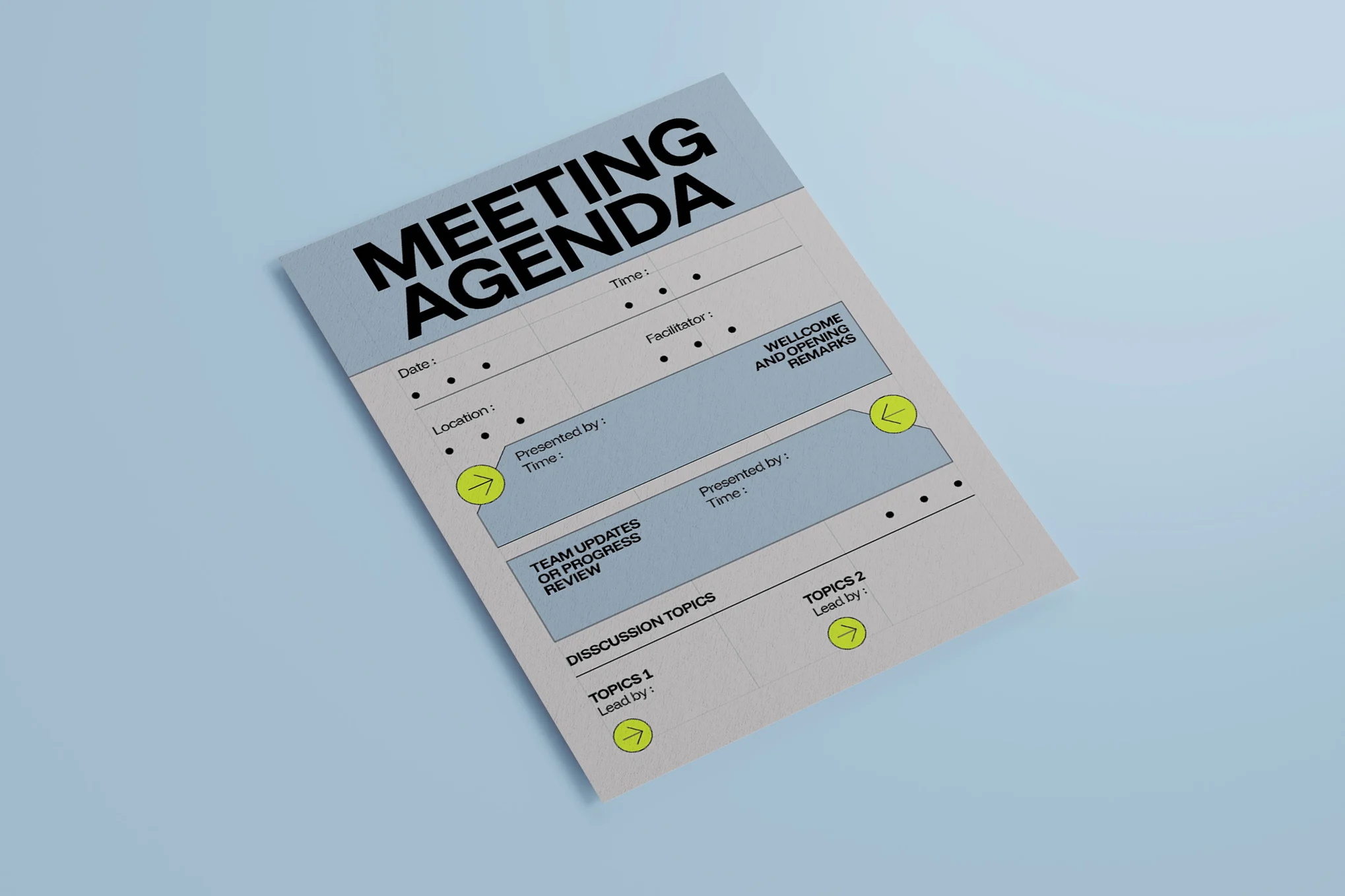
Meeting Agenda PSD
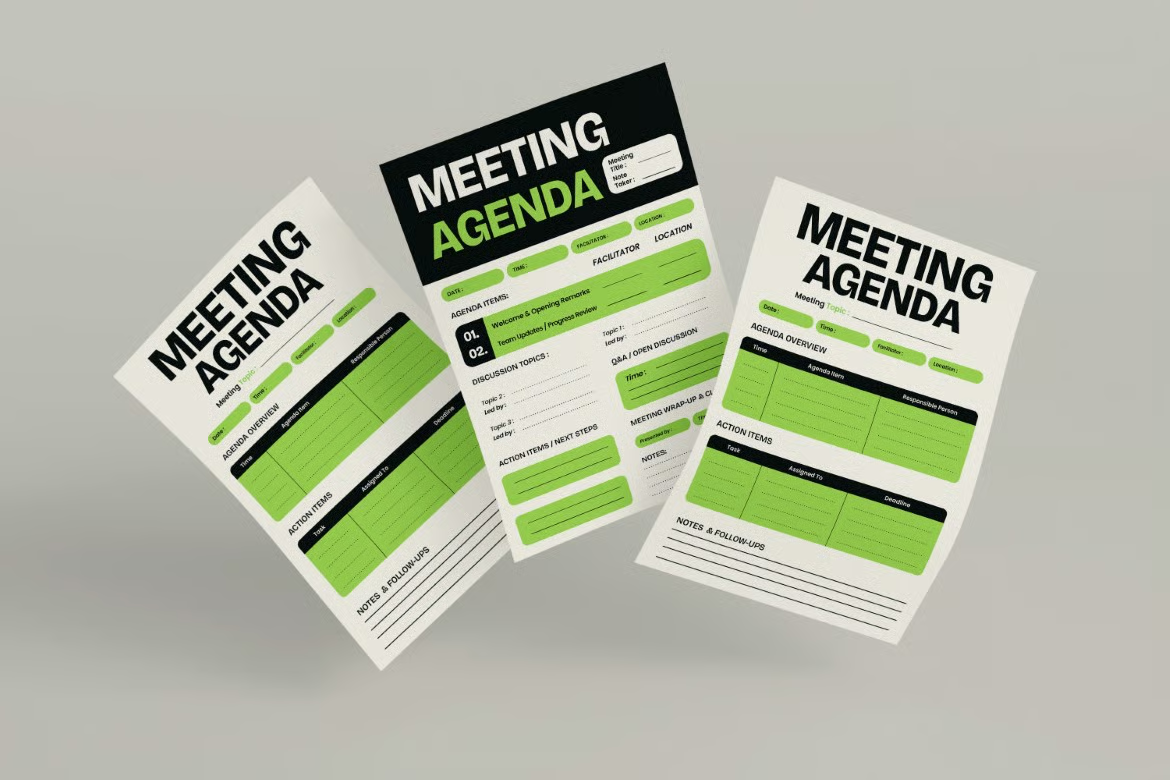
Meeting Agenda – Adobe Photoshop CS4, CS5, CS6
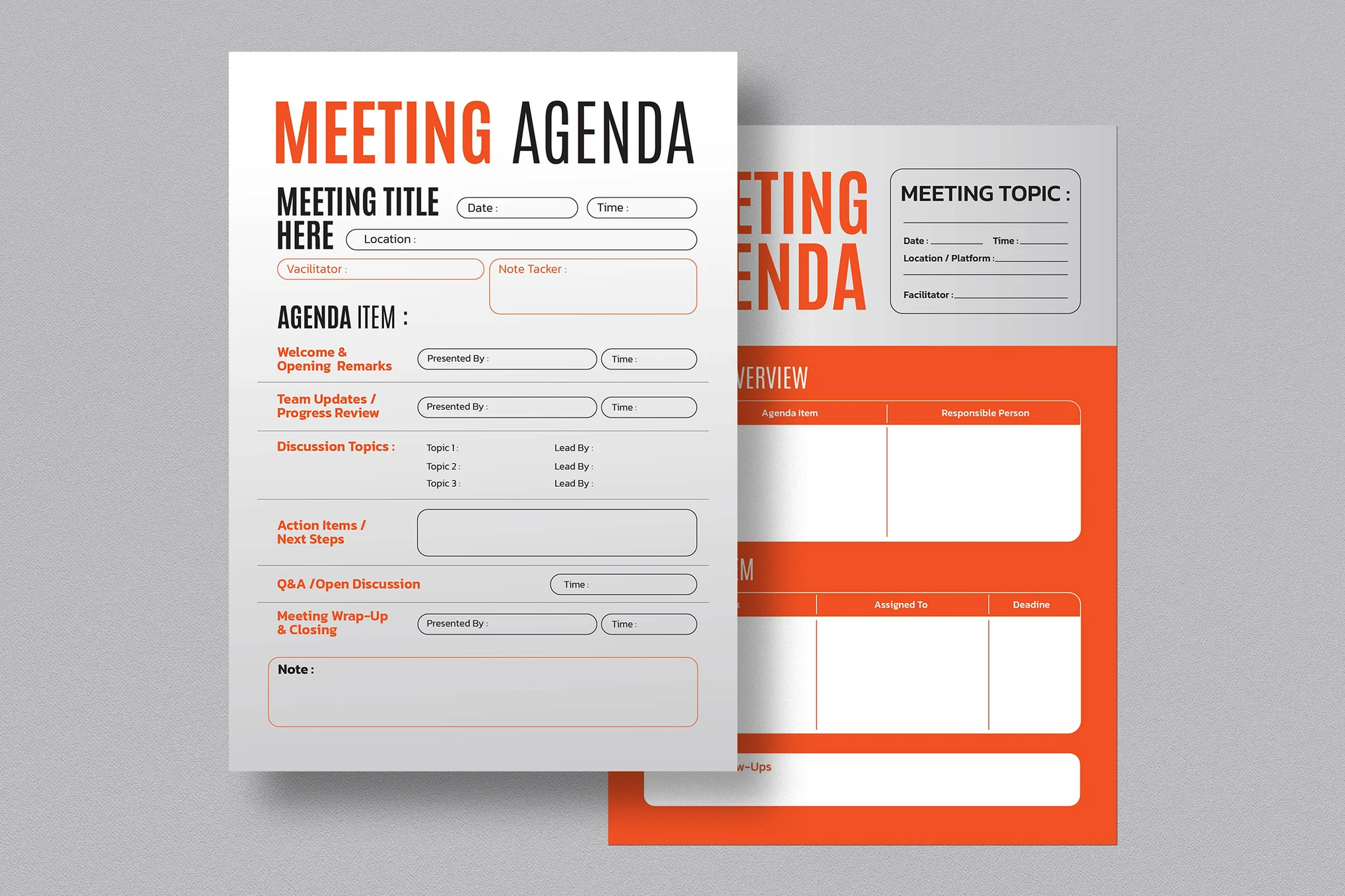
Meeting Agenda – Ai & PSD Template

A4 Creative Colorful Meeting Agenda Notes Template
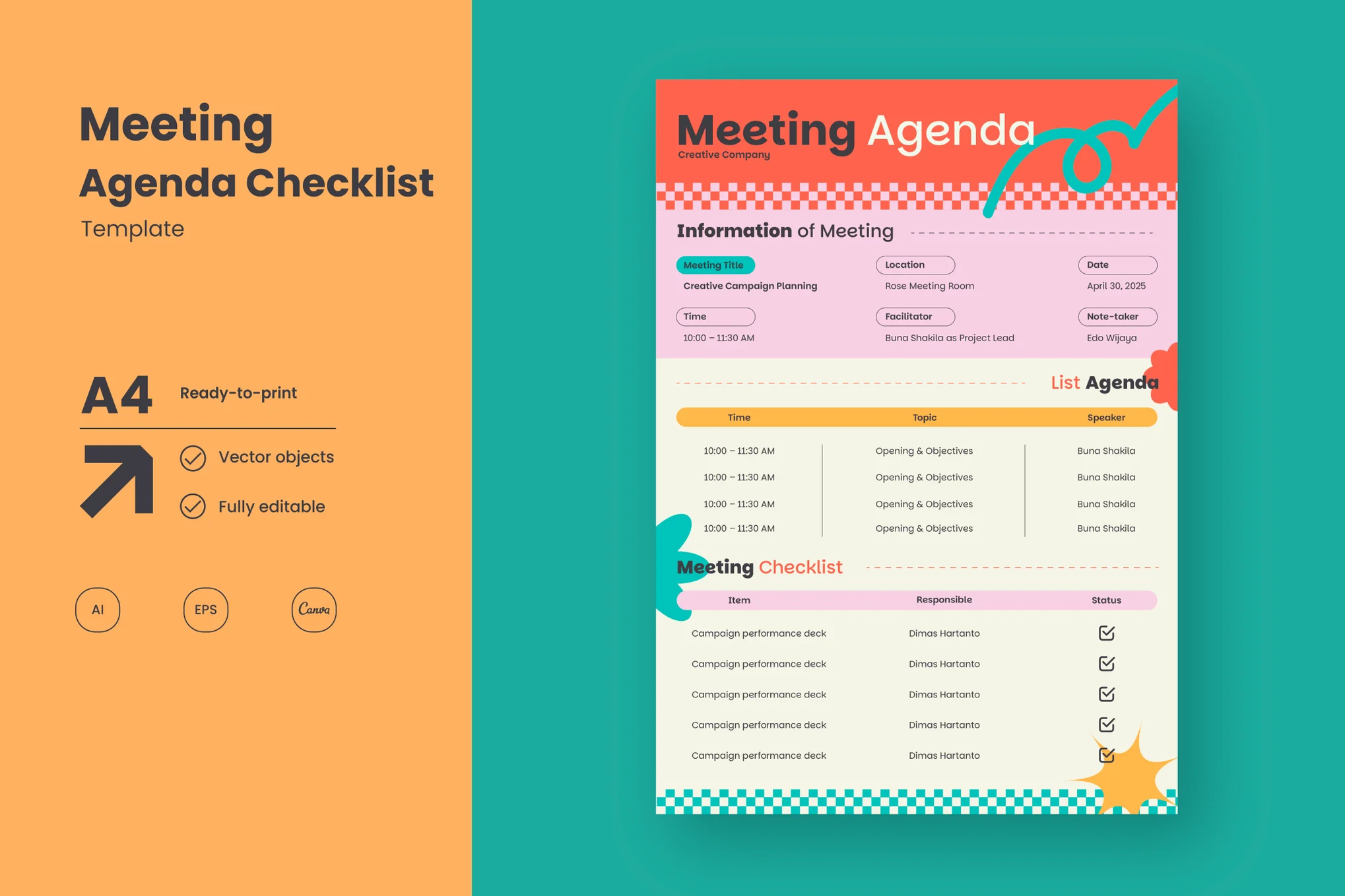
Meeting Agenda Template
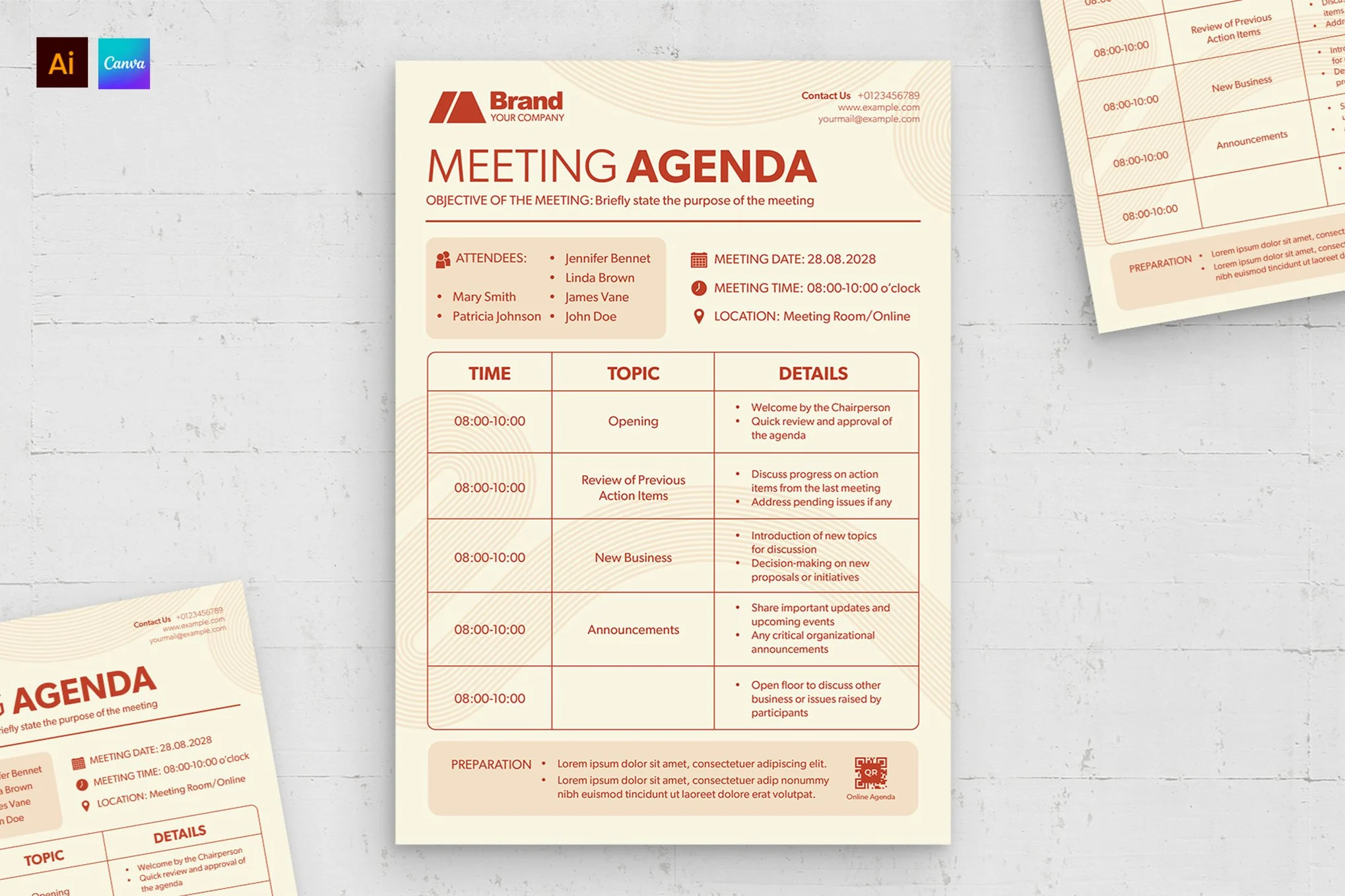
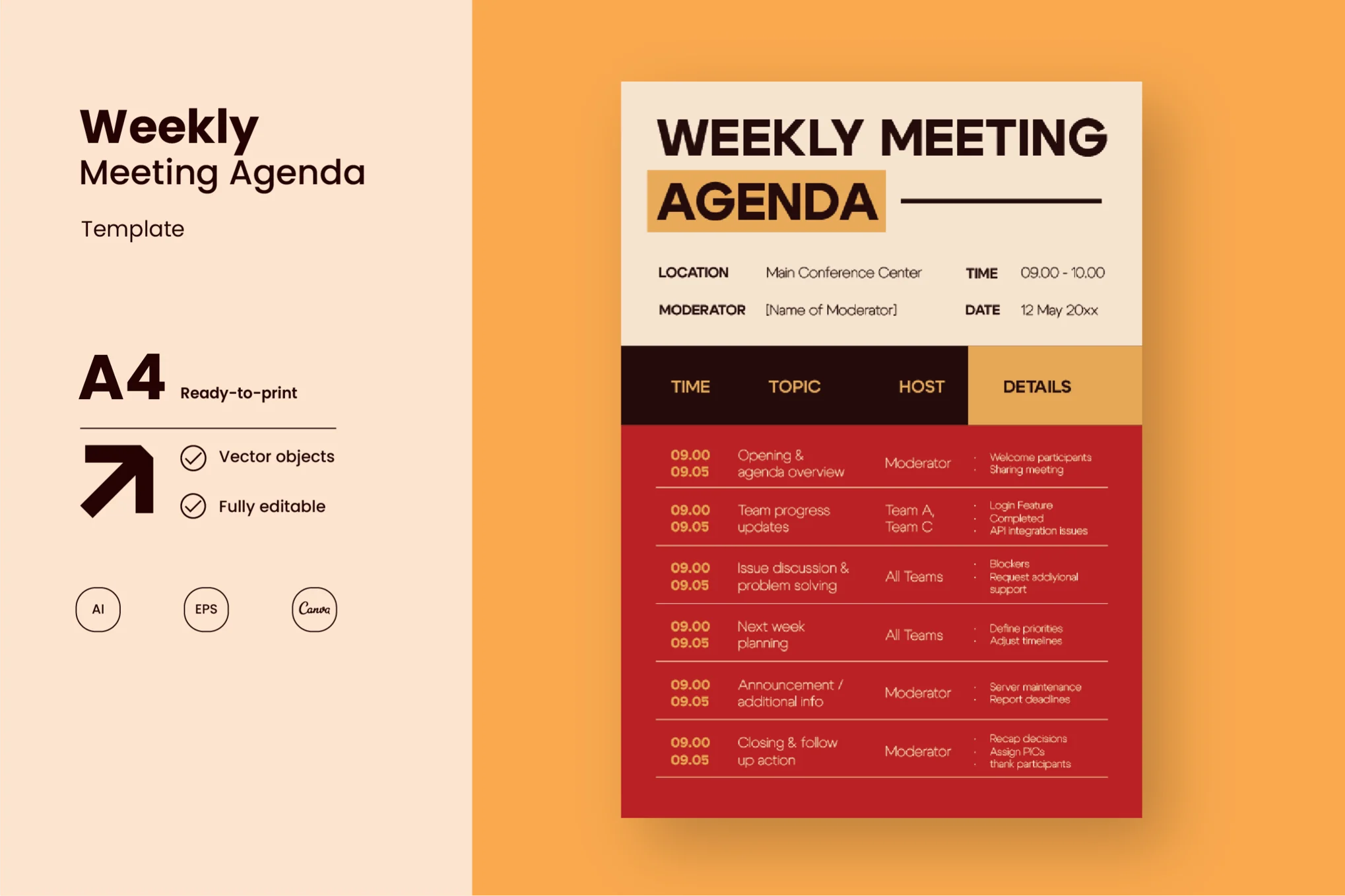
A4 Bold Weekly Meeting Document Template
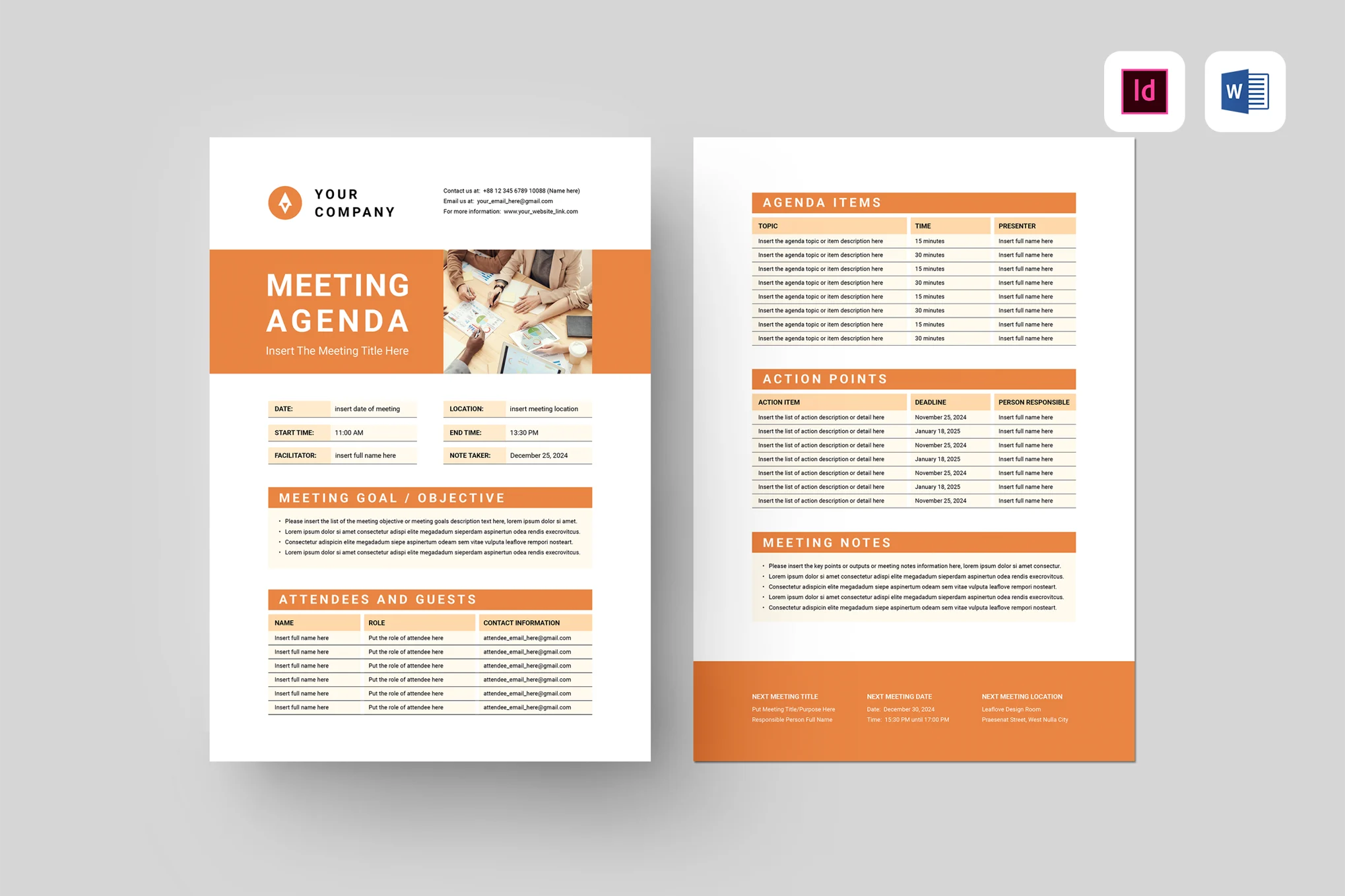
Meeting Agenda – Word,Id
Meeting Planner

Simple Proposal Template
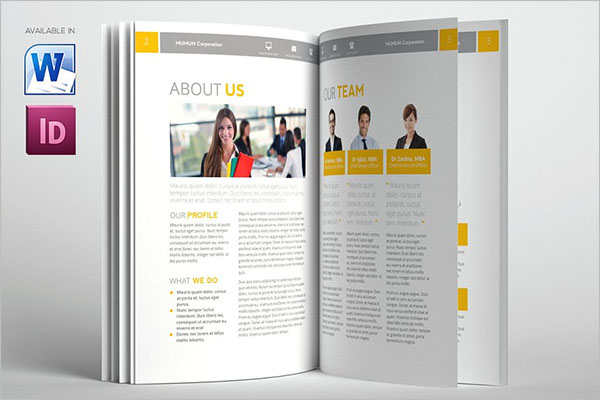

Simple And Modern Template

Business Meeting Agenda Template
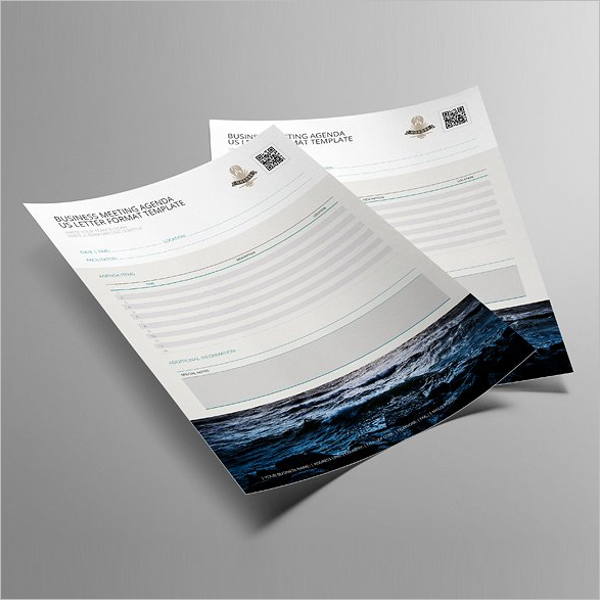
Simple Meeting Agenda Template
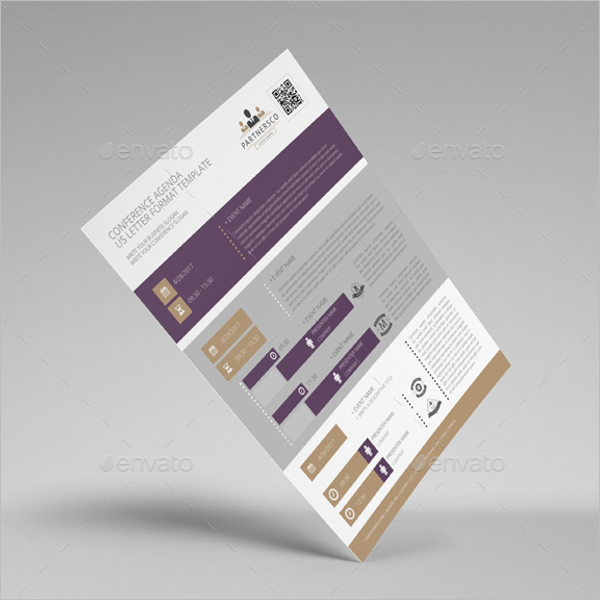
Conference Agenda Template
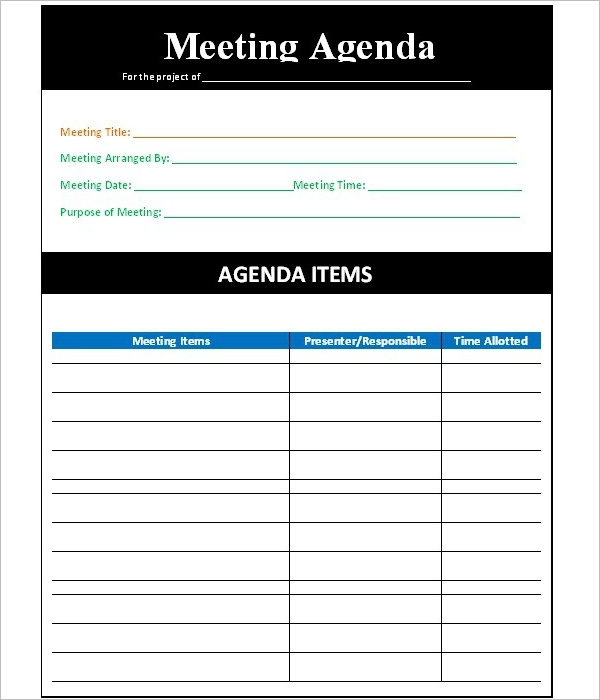
Simple Agenda Template Free Download
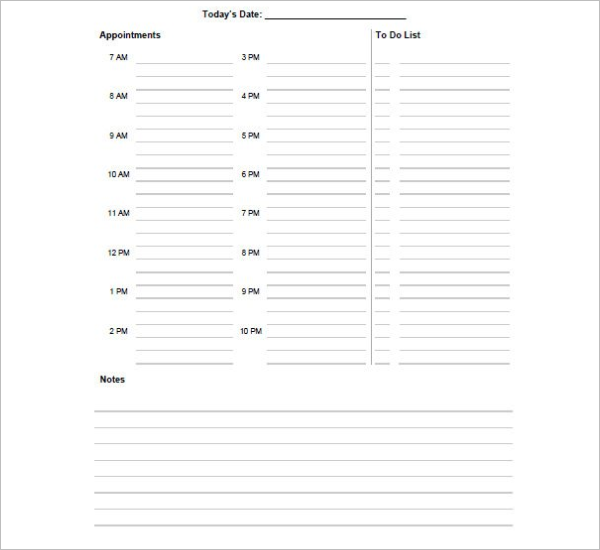
Agenda Template For Meeting
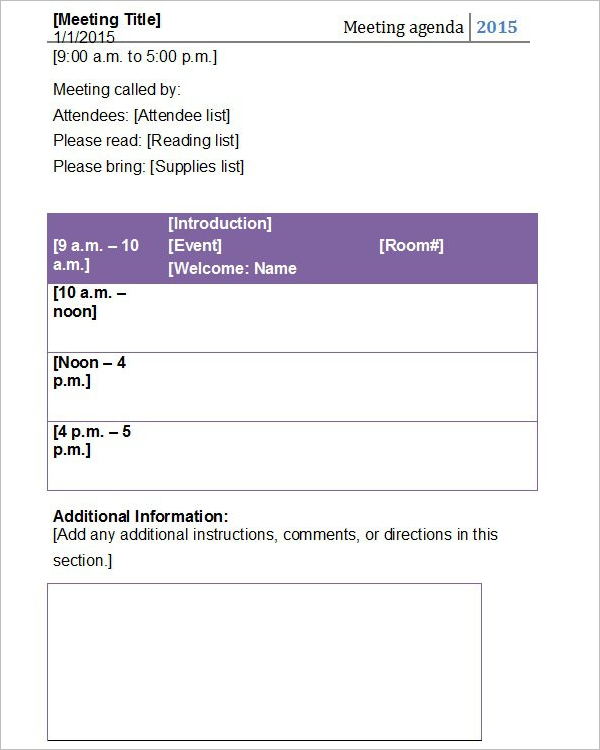
Premium Agenda Template
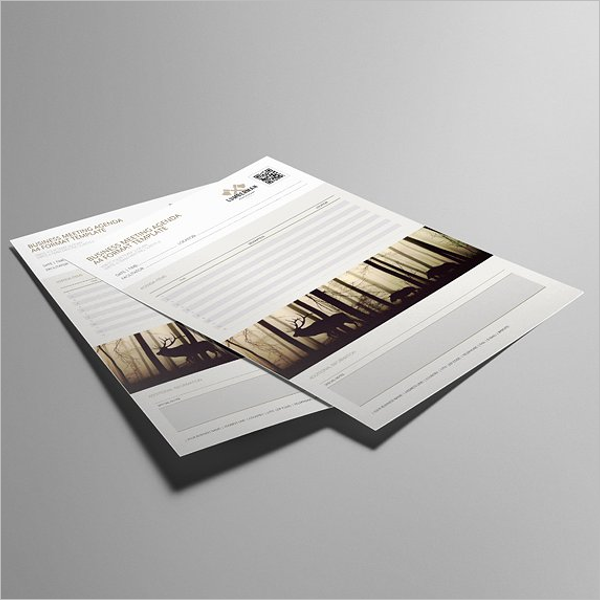
Sample Agenda Template
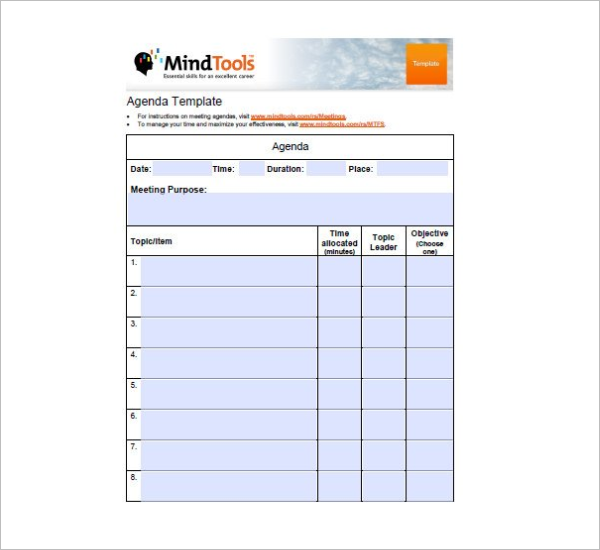
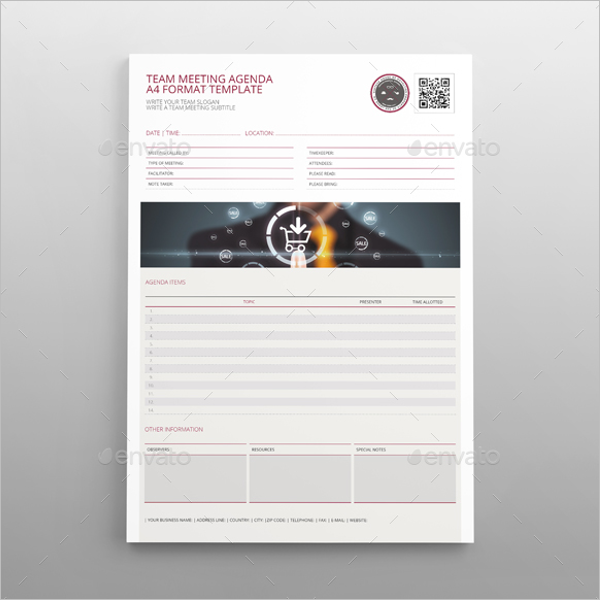
Team Meeting Agenda Template
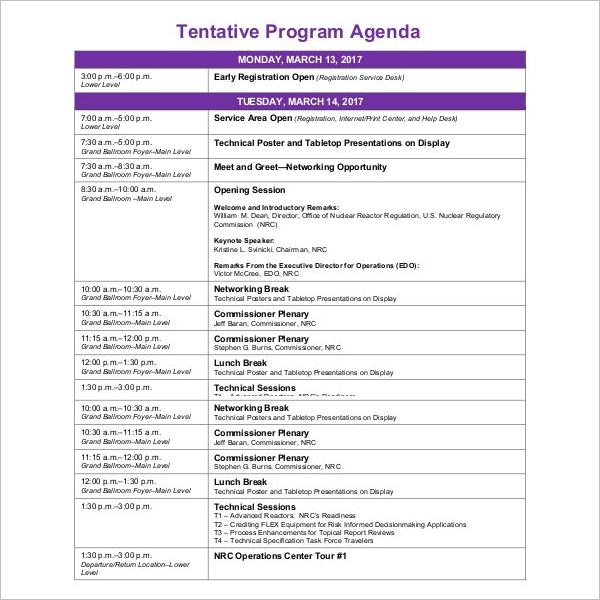
Tentative Program Agenda Template
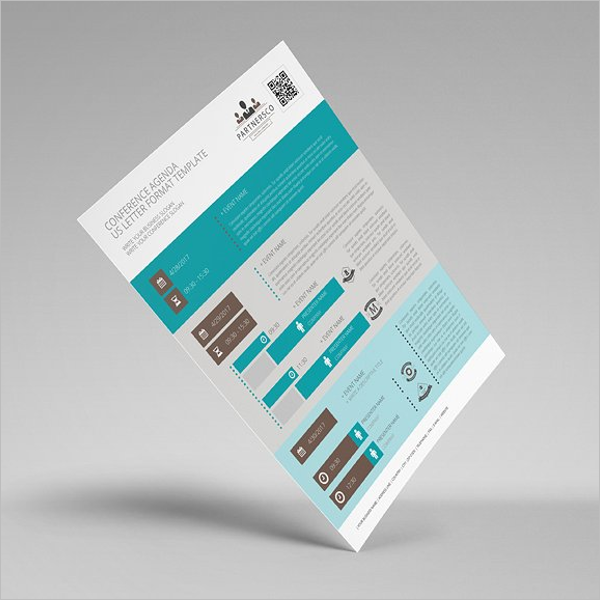
US Letter Format Agenda Template
Basic Agenda Template
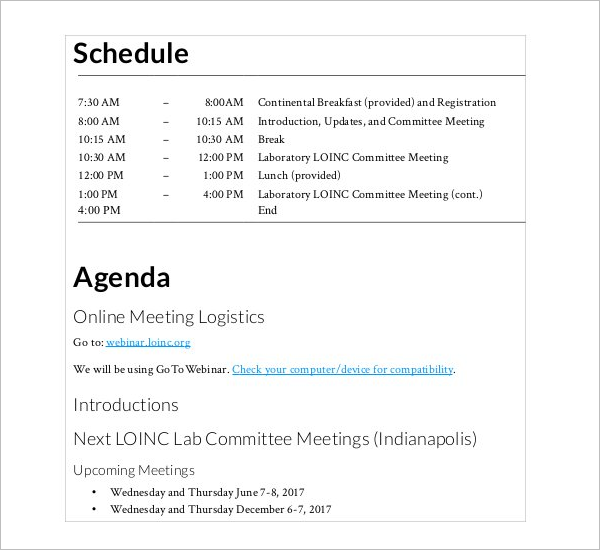
General Meeting Agenda Template
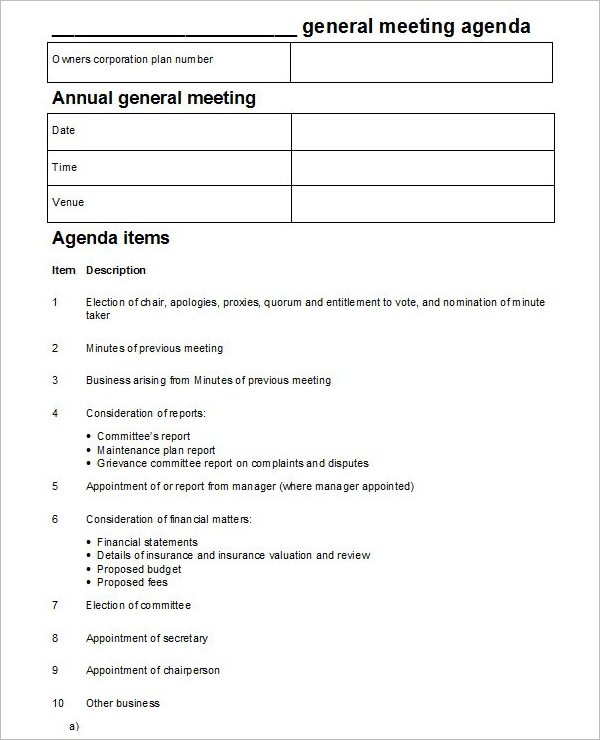
Agenda Template
Blank Meeting Agenda Template
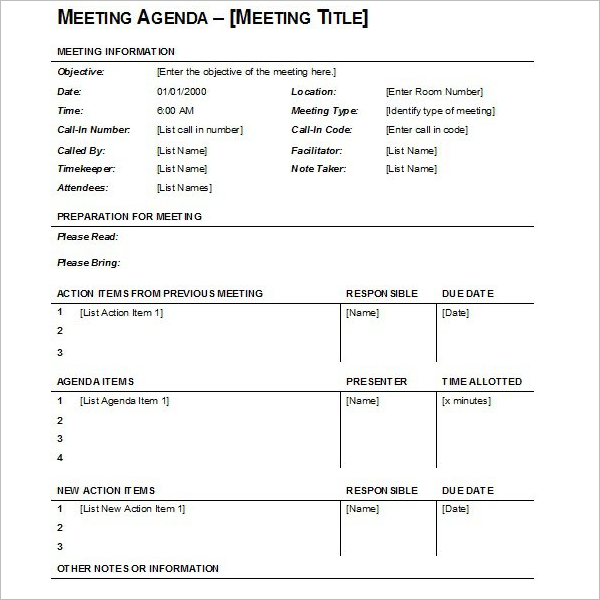
Agenda Template For Team Meeting
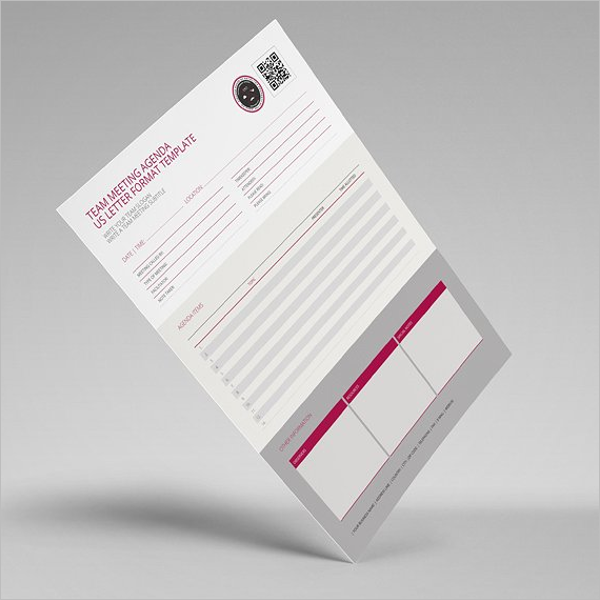
Simple Agenda Template Word
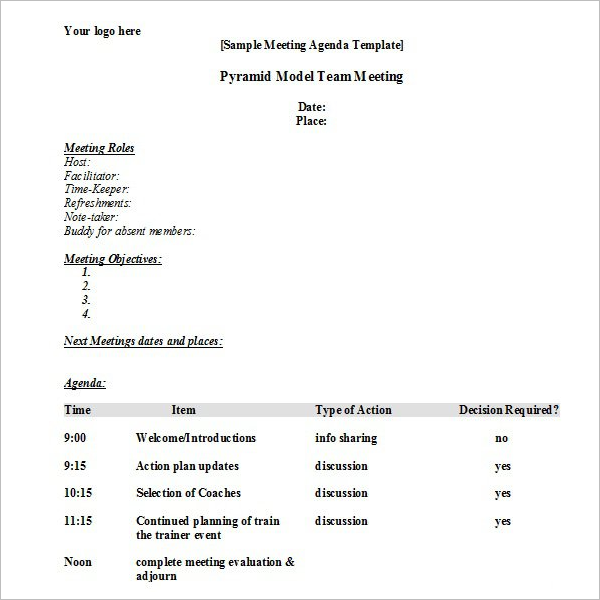
A4 Format Agenda Template
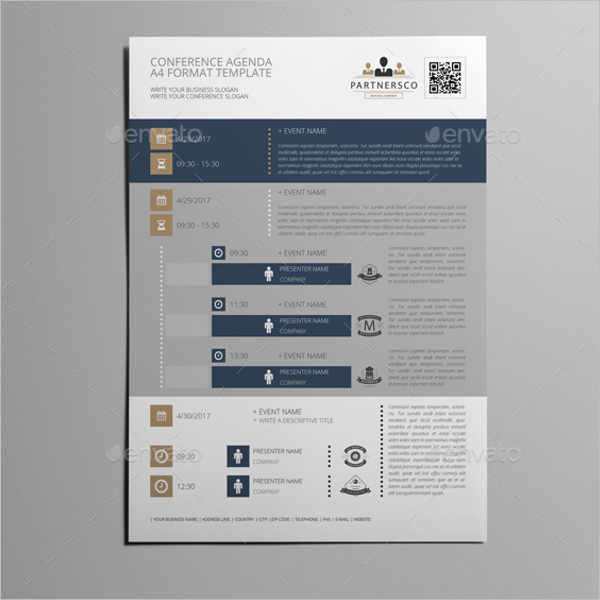
Simple Agenda Template Google Doc
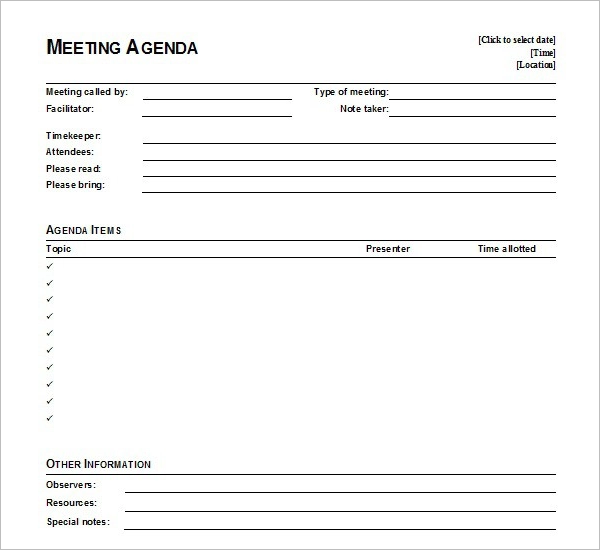
Agenda Brochure Template
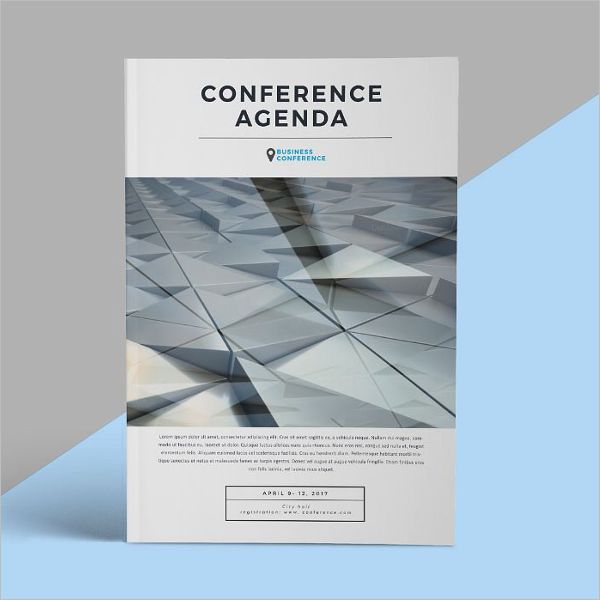
Blank Agenda Template Word
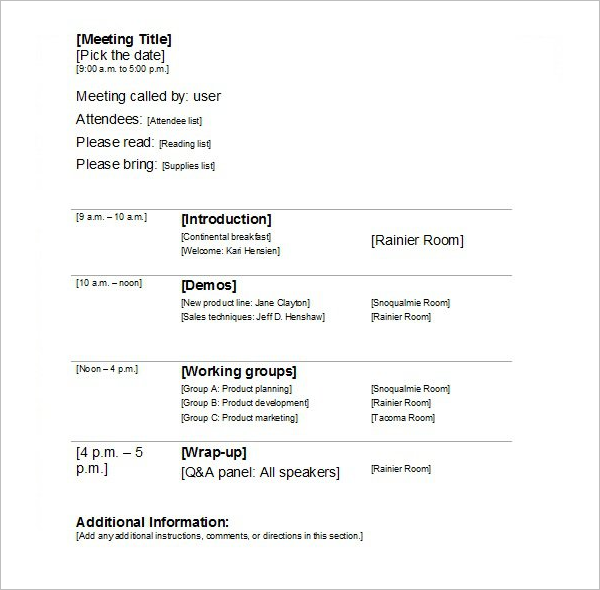
Business Agenda Template
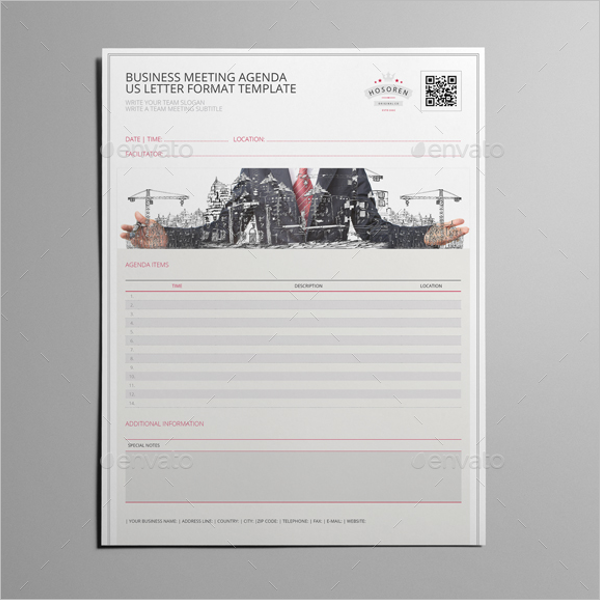
Staff Meeting Agenda Template
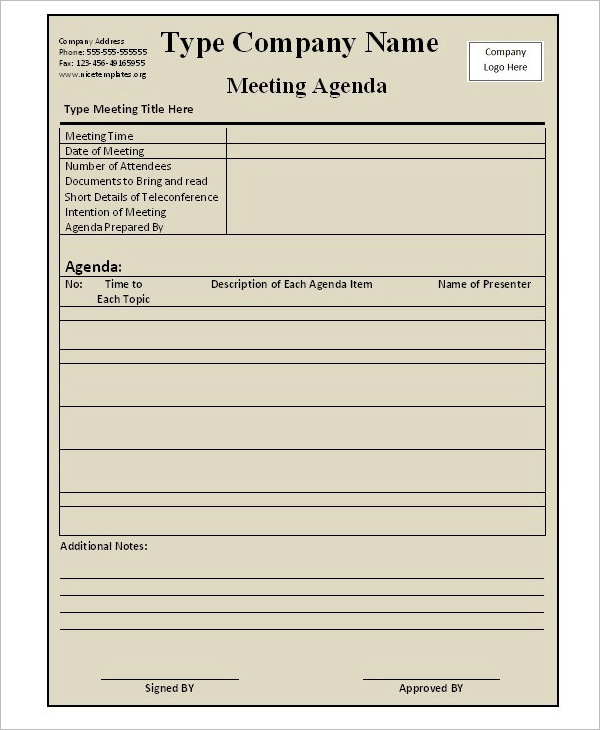
Simple Agenda PowerPoint Template
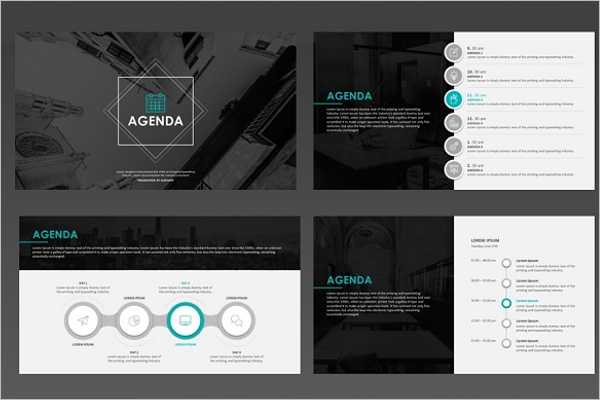
Download Agenda Template For Meeting
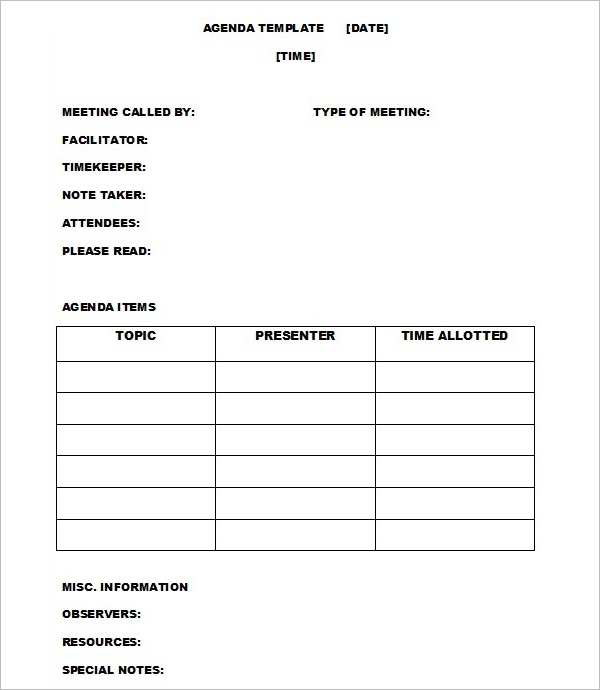
Agenda Illustration Template
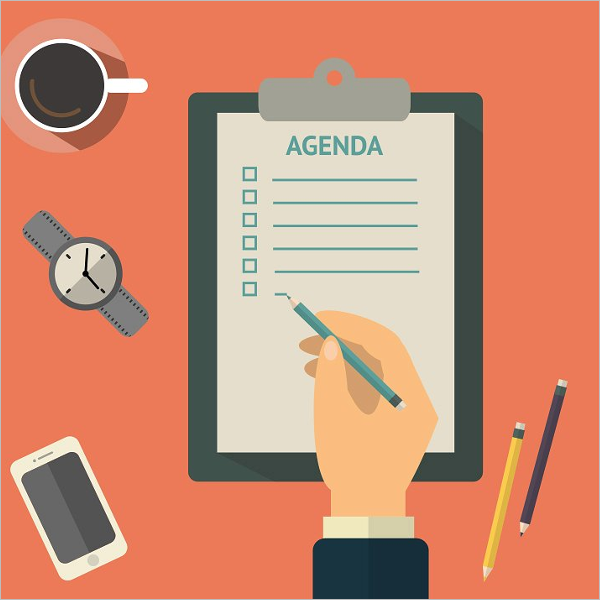
Effective Agenda Template
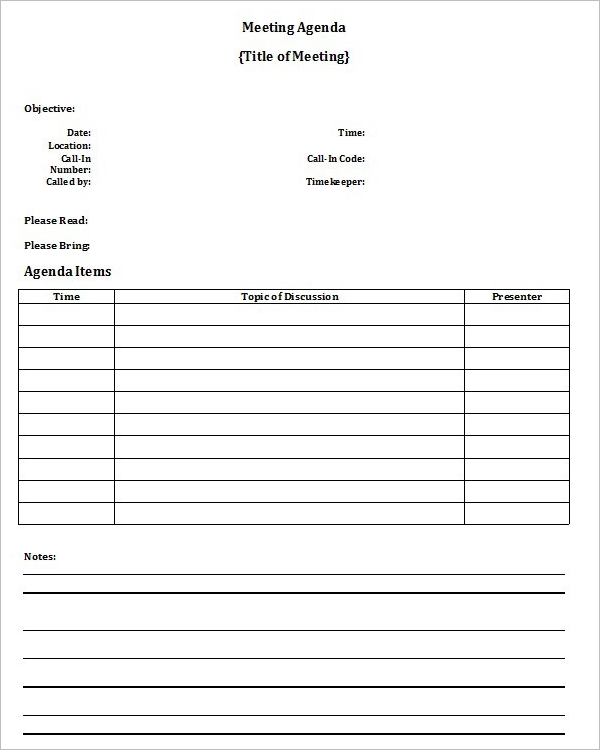
Agenda Template For Conference
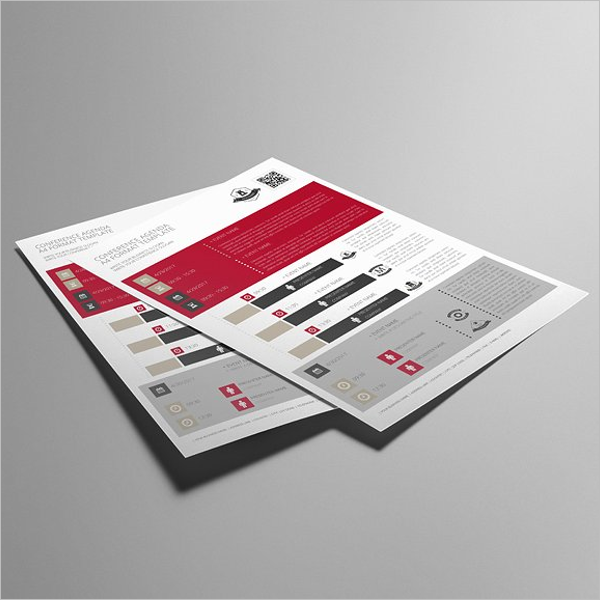
Simple Board Meeting Agenda Template
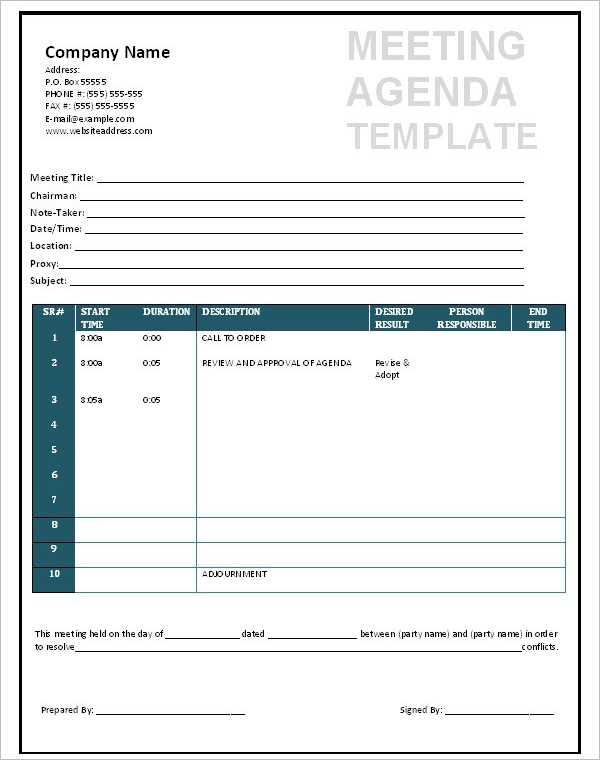
Team Meeting Agenda US Letter Template
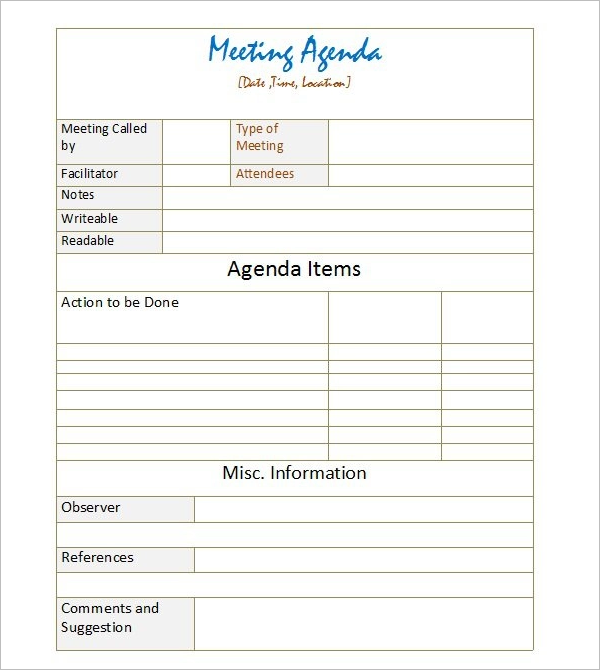
Detailed Meeting Agenda Template
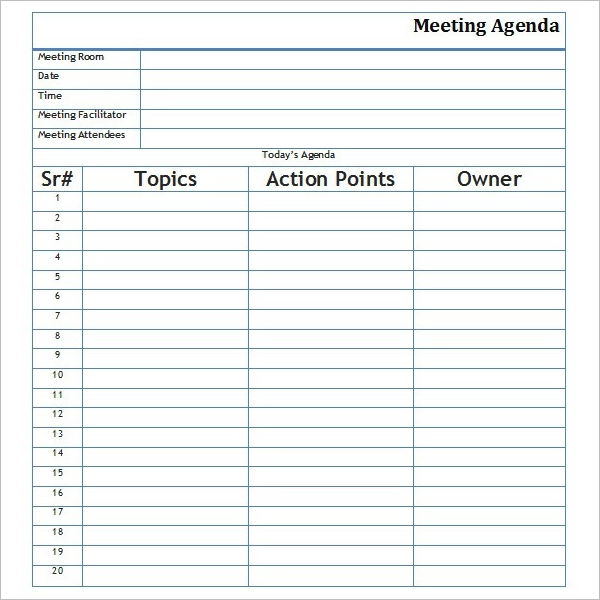
Agenda Template In Word
Key Elements of an Effective Meeting Agenda Templates
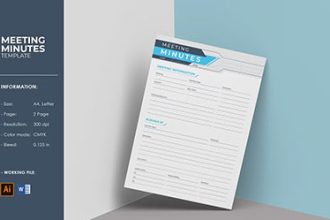
A well-designed Meeting Agenda Templates should be clear, easy to follow, and adaptable to different types of meetings. While each organization may have unique needs, certain core elements make any agenda effective:
- Meeting Title and Date: Helps participants quickly identify the purpose and timing of the session.
- Attendees List: Lists all required participants, so everyone knows who will be in attendance.
- Meeting Objectives: Defines the primary goals or decisions to be made.
- Discussion Topics: Breaks the meeting into manageable sections, usually in order of priority.
- Time Allocations: Assigns estimated time blocks to each agenda item to ensure time management.
- Action Items: Summarizes decisions made and tasks assigned, along with responsible persons.
- Notes Section: Provides space for additional comments, updates, or follow-up details.
These elements form the foundation of any Simple Agenda Templates, whether you’re using it in Word, Excel, Google Docs, or a project management tool.
Types of Simple Agenda Templates You Can Use
Depending on your meeting goals, you can customize agenda templates to match your workflow. Here are a few common types you might find useful:
- Team Meeting Agenda: Ideal for weekly or bi-weekly syncs, focusing on progress updates, blockers, and upcoming goals.
- Client Meeting Agenda: Helps structure discussions around project status, deliverables, and feedback sessions.
- Project Planning Agenda: Perfect for setting milestones, assigning tasks, and discussing timelines.
- One-on-One Meeting Agenda: Useful for performance check-ins or mentoring sessions between managers and team members.
- Brainstorming Session Agenda: Encourages idea sharing while maintaining structure to prevent chaos.
By adapting the same Simple Agenda Templates to different meeting types, you can maintain consistency while addressing various objectives efficiently.
How to Create Your Own Simple Agenda Templates
You don’t need to be a designer to create an effective agenda. Start with a clean layout using any document editor or spreadsheet tool. Here’s a simple process to build your own:
- Start with a Header: Include meeting title, date, and host.
- Add an Objective Section: Clearly define what you aim to accomplish.
- List Agenda Items: Organize topics by priority, with a short description for each.
- Set Time Blocks: Allocate time for every item to keep the meeting on schedule.
- Assign Responsibilities: Note who will lead each section or discussion.
- Wrap Up with Next Steps: End the meeting with a list of action items and deadlines.
If you prefer automation, many online tools offer ready-to-use Meeting Agenda Templates that can be edited and shared easily. Options like Google Docs, Microsoft Word, and Notion provide flexible templates you can customize for your team.
Tips for Using Agenda Templates Effectively
- Distribute the Agenda Early: Share the template at least 24 hours before the meeting so attendees can prepare.
- Stick to the Plan: Follow the agenda closely during the meeting to stay focused.
- Keep It Short and Simple: Avoid overloading the agenda with too many items — clarity is key.
- Review After Each Meeting: Update the template with notes and action items for transparency and future reference.
Using Simple Agenda Templates consistently helps build a culture of preparation and productivity within your organization.
Final Thoughts
A great meeting isn’t about how long it lasts — it’s about how well it’s planned. Simple Agenda Templates take the guesswork out of meeting organization, ensuring every session has purpose and structure. Whether you’re managing a small team or leading a large project, having a clear agenda keeps everyone aligned and efficient.
By adopting Meeting Agenda Templates as part of your workflow, you’ll notice meetings become more productive, outcomes clearer, and your team more focused. In the long run, that’s the real secret to effective communication and successful teamwork.