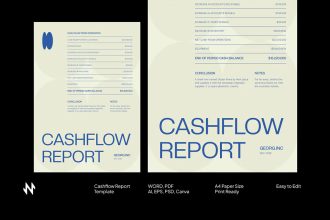
Project Budget Templates: A Complete Guide for Smarter Project Planning
Effective project management relies heavily on financial planning, and this is where project budget templates become essential. Whether you are managing a small internal task or a large-scale enterprise-level project, having a clear, organized budget framework helps you track resources, control costs, and eliminate surprises. A structured template provides clarity, saves time, and ensures every stakeholder has a transparent view of project expenses.
In today’s fast-paced business environment, managers and teams must focus on accuracy and efficiency. A budget template gives you both—by transforming complex estimates into an easy-to-understand document. This article explores the importance of project budget templates, what they include, and how they help improve overall project performance.
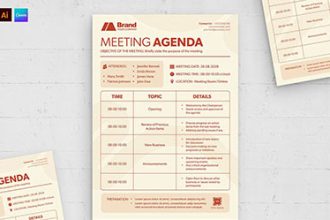
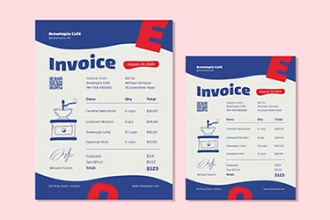
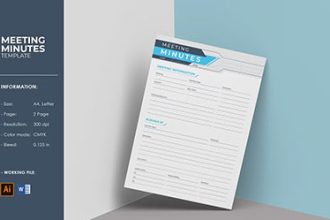
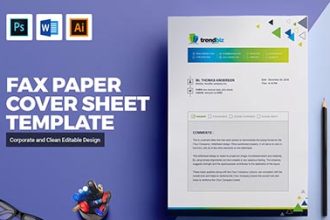
Project Budget Template


Free Project Budget Template
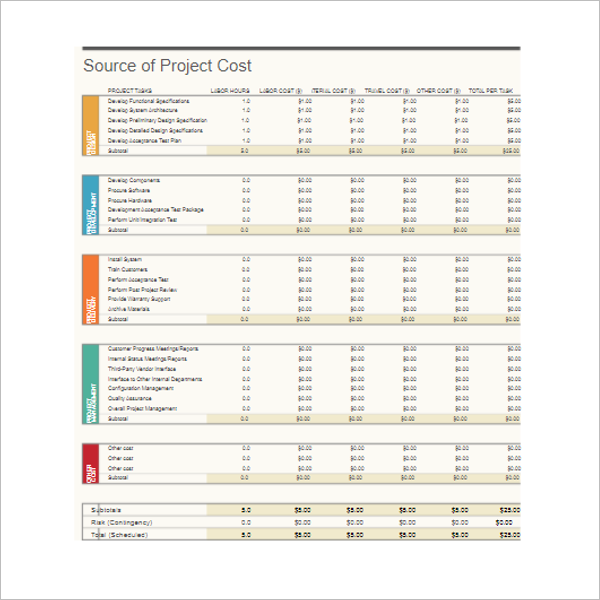
Project Plan Budget Template
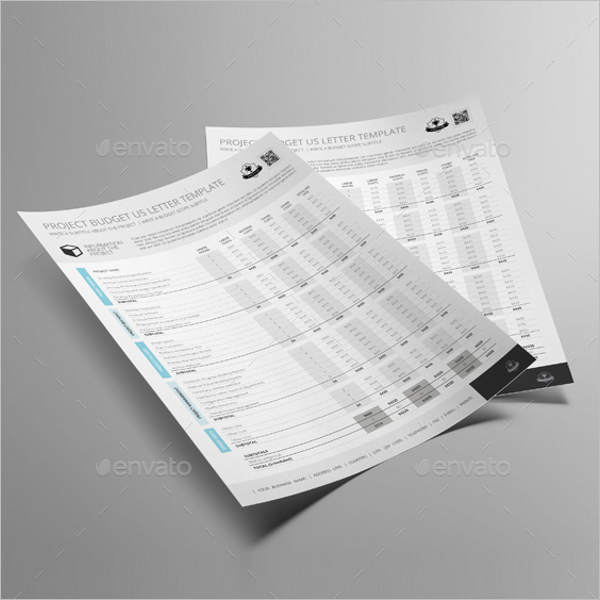
Sample Project Budget Template

Project Budget Template PDF
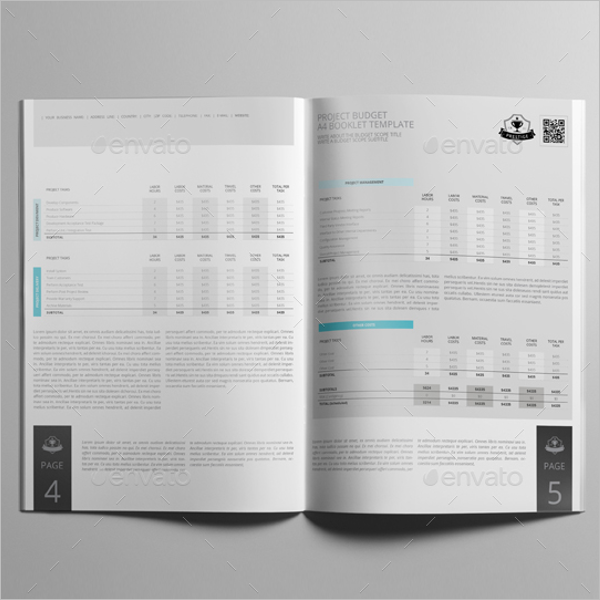
Project Budget Template Word

Simple Project Budget Template
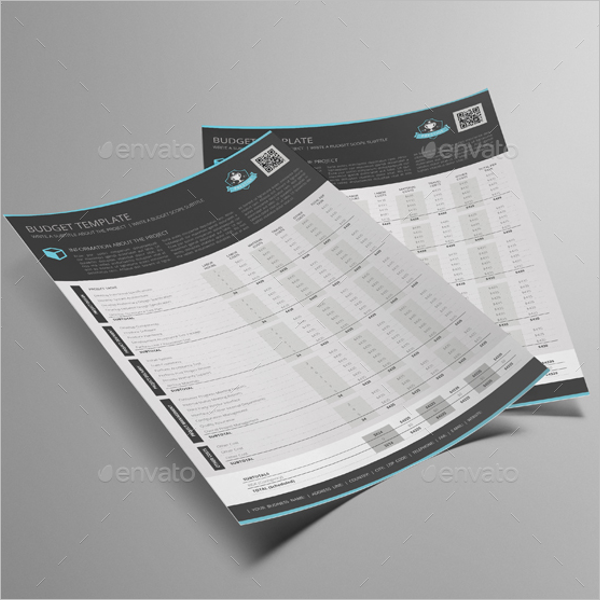
Monthly Project Budget Template
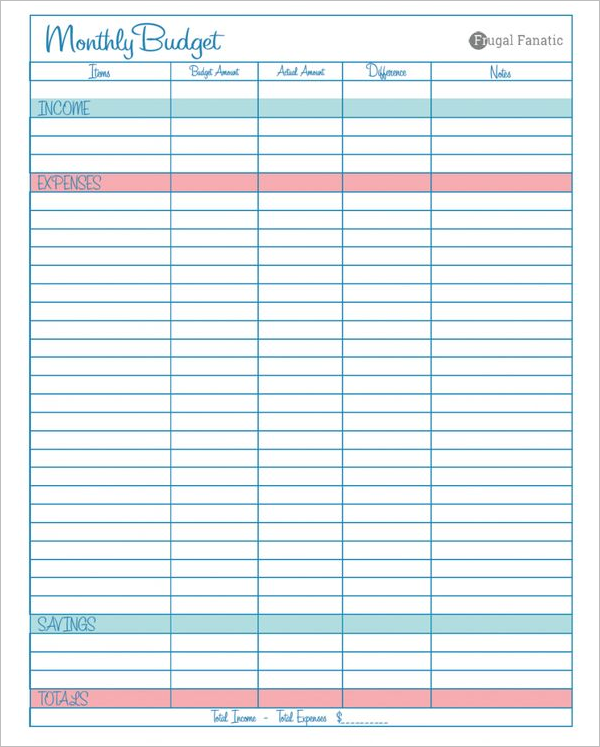
A4 Project Cost Template
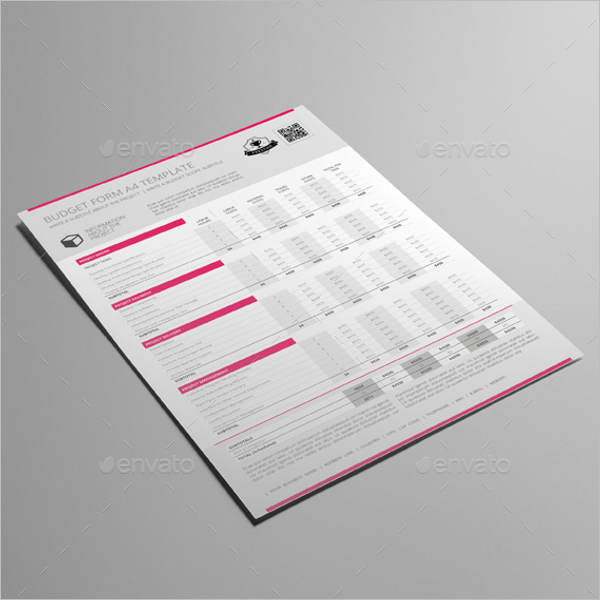
Project Budget Example Template
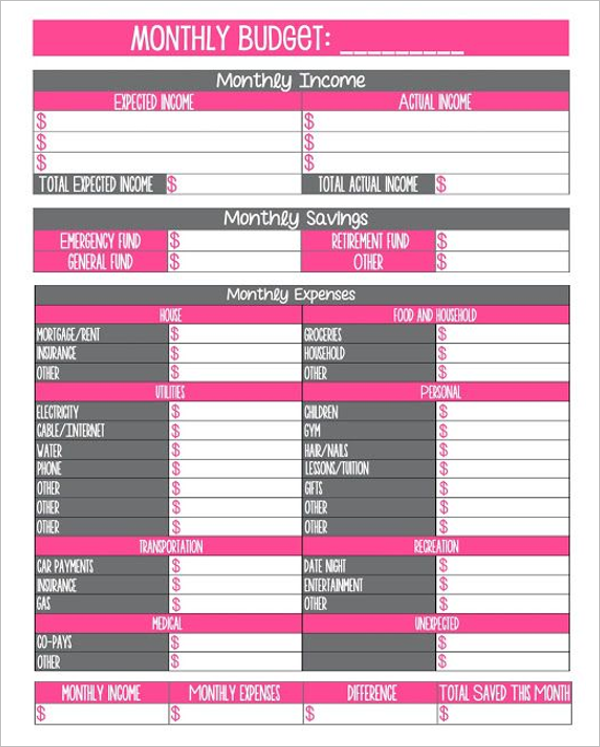
Research Project Budget Template

Software Project Budget Template
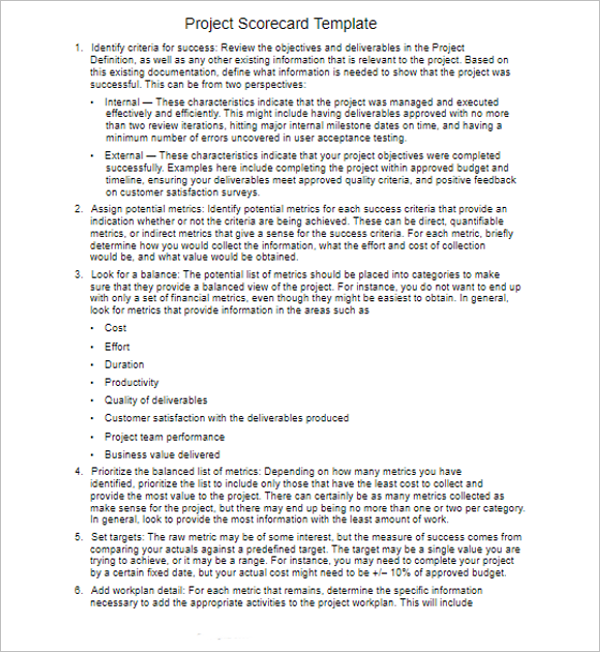
Project Budget Template Doc
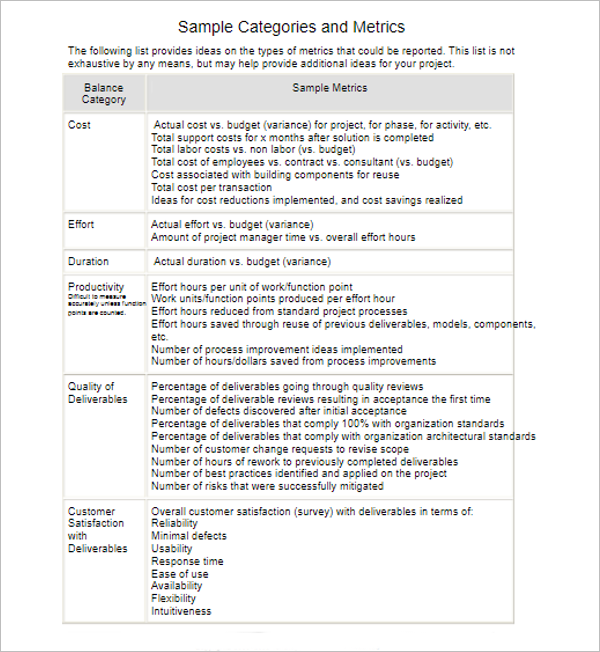
Capital Project Budget Template
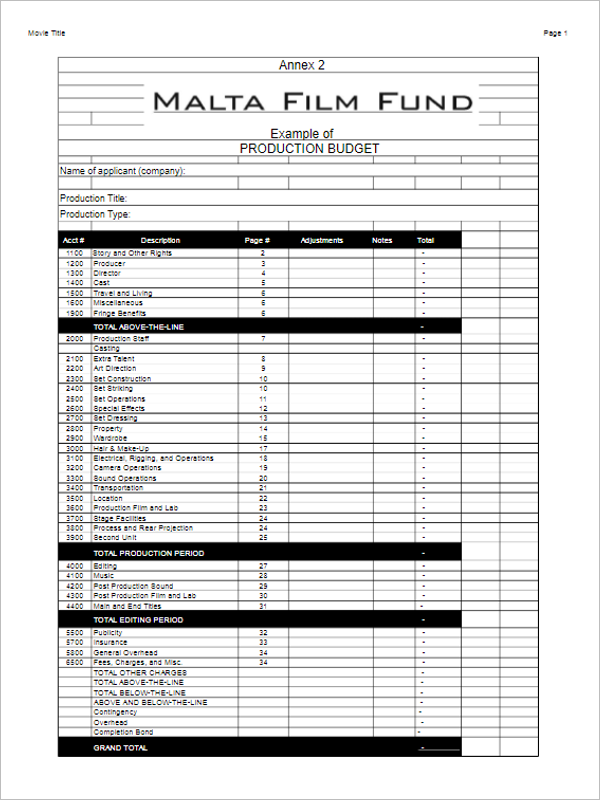
Project Budget Format
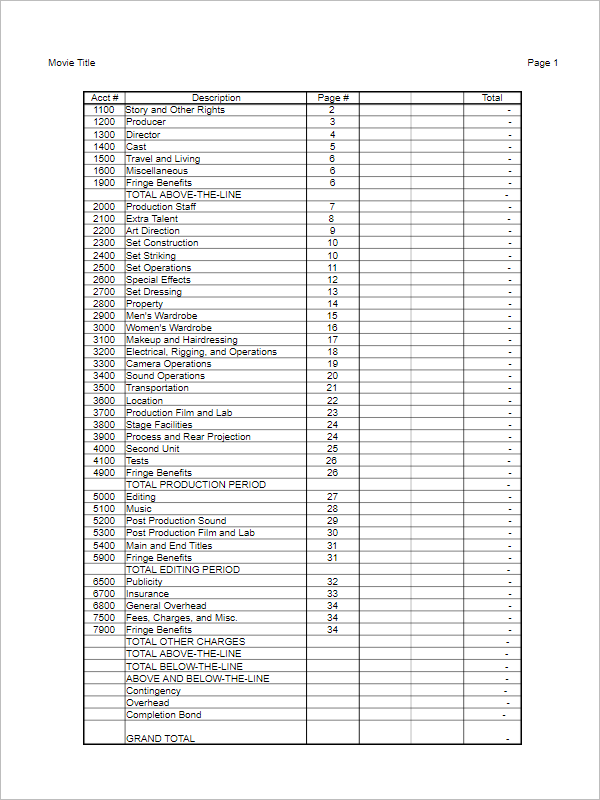
Project Budget Design Sample
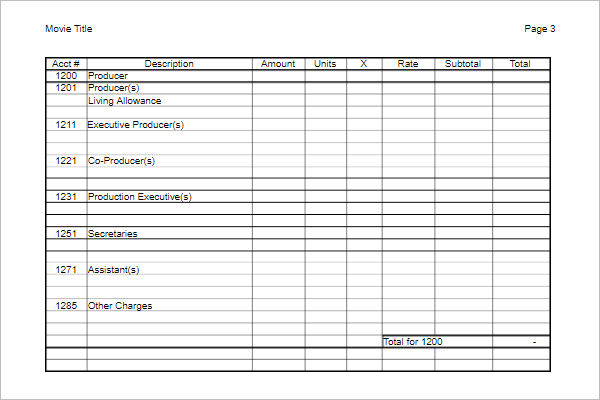
Schedule Project Budget Template
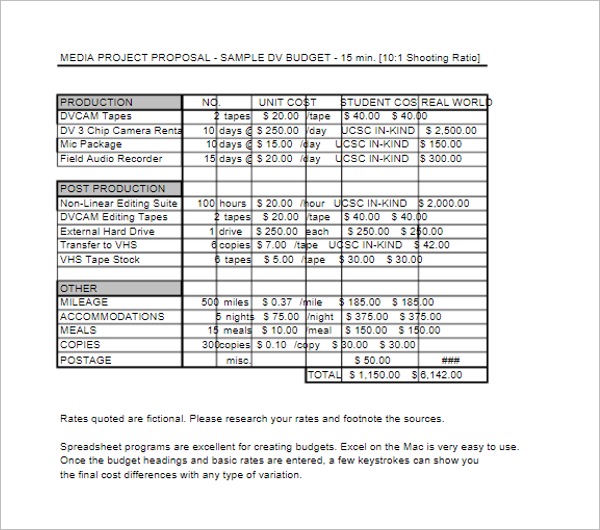
Project Summary Budget Template
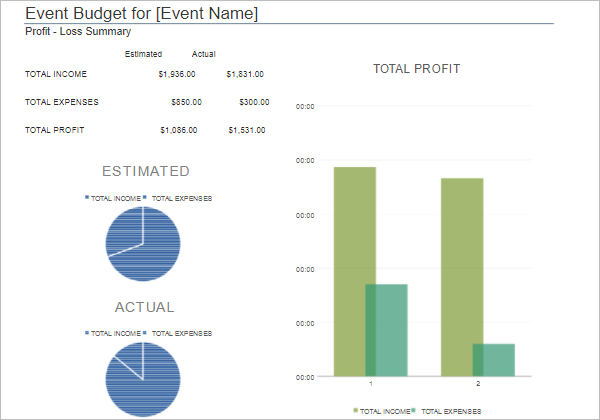
Project Management Budget Template

Printable Project Budget Template

Why Project Budget Templates Matter
A project budget is more than just a list of numbers. It is a roadmap that connects project goals with realistic financial expectations. Without it, teams often face cost overruns, timeline delays, and resource shortages.
Here’s why using a project budget template is beneficial:
1. Improves Financial Accuracy
A template provides predefined categories such as labor, materials, equipment, tools, software, and contingency costs. Instead of starting from scratch for each project, you use a consistent structure that ensures no expense is overlooked.
2. Enhances Resource Allocation
When the costs are outlined clearly, managers can properly distribute resources across tasks and phases. This prevents overspending in one area and underfunding in another.
3. Encourages Better Decision-Making
With a ready-made template, teams get real-time visibility into spending patterns. Decision-makers can quickly compare projected costs with actual costs and adjust project plans when needed.
4. Saves Time for Project Managers
Instead of manually building a budget spreadsheet, a template helps teams quickly plug in data and generate a polished budget—speeding up the planning process and reducing human error.
Key Components of an Effective Project Budget Template
A well-designed project budget template should include several essential elements that help maintain financial clarity throughout the lifecycle of the project.
1. Project Overview
The top section typically includes project name, client name, start and end dates, and a short description. This sets the context for anyone reviewing the budget.
2. Cost Categories
These are structured segments that break down the types of expenses your project may require. Typical categories found in project budget templates include:
- Labor costs (internal team, contractors, consultants)
- Material costs
- Equipment or tool costs
- Software and licensing
- Administrative or overhead costs
- Outsourcing and vendor charges
- Travel expenses (if applicable)
- Contingency fund
Having categories clearly defined makes the budgeting process organized and predictable.
3. Estimated and Actual Cost Columns
A powerful budget template contains two columns:
- Estimated cost
- Actual cost
This comparison helps managers monitor progress and identify overspending before it becomes a major issue.
4. Subtotals and Grand Totals
Automated formulas in spreadsheets ensure accurate calculations. Subtotals help teams see where money is concentrated, while grand totals provide the full picture.
5. Notes or Comments Section
A section for notes is extremely useful when explaining cost changes, unusual expenses, or special requirements for certain tasks.
How Project Budget Templates Improve Team Collaboration
Budgeting often involves multiple contributors—project managers, finance teams, team leads, and stakeholders. A standardized template keeps everyone on the same page. It helps reduce miscommunication by offering:
- A single source of truth for financial planning
- Clear visibility for the entire workflow
- Better accountability for each department or task owner
- Easy file sharing and version control
Teams can also integrate their templates into project management tools or cloud-based platforms for real-time updates.
Types of Project Budget Templates You Can Use
Depending on your business type, industry, and workflow, you may need different versions of a budget template. Some common variations include:
1. Simple Project Budget Template
Perfect for smaller projects with limited resources. It includes basic cost columns and straightforward calculations.
2. Detailed Project Budget Template
Designed for complex or long-term projects. It includes cost breakdowns by phase, department, or milestone.
3. Monthly or Quarterly Budget Template
Useful for long-term projects where costs are tracked across months instead of phases.
4. Task-Based Budget Template
Ideal for teams using work breakdown structures (WBS). Costs are aligned with specific tasks or deliverables for granular tracking.
5. Project Budget Template with Timeline
Combines budgeting with scheduling to help teams understand when costs will occur during the project lifecycle.
Best Practices for Using Project Budget Templates
To make the most of your budgeting tool, keep these practices in mind:
1. Update Regularly
A budget is not a one-time document. Update it as the project evolves—especially when new tasks, changes, or delays arise.
2. Get Team Input
Involve relevant team members when estimating costs to avoid guesswork and improve accuracy.
3. Track Variances
Regularly comparing estimated vs. actual costs helps you identify areas that need immediate attention.
4. Include a Contingency Fund
Unexpected expenses are normal in any project. Adding a buffer keeps your budget safe.
5. Keep Templates Consistent
Use the same template format across multiple projects to maintain uniformity and faster reporting.
Conclusion
Project budget templates are valuable tools that bring structure, accuracy, and transparency to project planning. They reduce financial risks, streamline the budgeting process, and support informed decision-making. Whether you are a project manager, team leader, freelancer, or business owner, using a well-designed template will help you stay in control of your project finances.
By adopting these templates, you not only improve your budgeting efficiency but also set your projects up for long-term success.